Il tuo carrello
Non ci sono più articoli nel tuo carrello

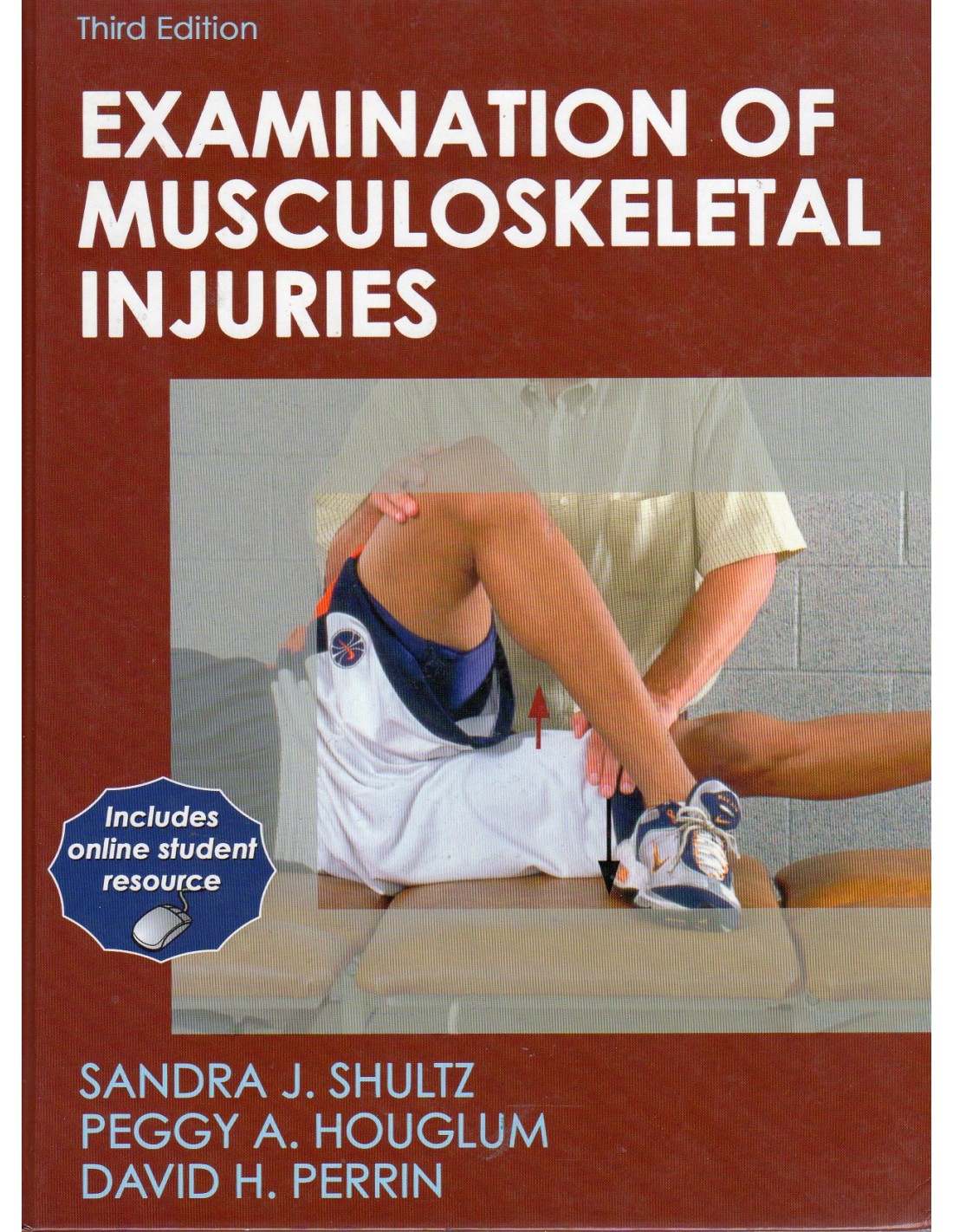
Examination of Musculoskeletal Injuries 3/e 2010
Human Kinetics
Autori: Houglum P,Shultz S J,Perrin D H
ISBN: 9780736076227
Ultimi articoli in magazzino
82,69 €
87,04 €
Tasse incluse
Examination of Musculoskeletal Injuries 3/e 2010
Sandra Shultz
Peggy Houglum
David Perrin
Product Description
The third edition of Examination of Musculoskeletal Injuries assists both current and future rehabilitation professionals in recognizing musculoskeletal injuries, performing musculoskeletal examinations of athletic injuries, and evaluating if and when to refer clients to a physician’s care. The text will help students master the skills required for completing the Board of Certification examination for athletic trainers by thoroughly covering all the content in this area of specialization set forth in the National Athletic Trainers’ Association (NATA) Athletic Training Educational Competencies.
Completely updated and expanded, the third edition of Examination of Musculoskeletal Injuries incorporates an increased emphasis on clinical decision making, problem solving, and integration of skill application. Revised chapter-opening scenarios present open-ended real-life situations that initiate discussion of the complexity of athletic injury examination. Review and critical thinking questions have been updated to assist readers in developing their clinical decision-making and problem-solving skills. Laboratory activities have been added to aid students with hands-on practical application of the material. Data tables that report the sensitivity and specificity of special tests strengthen the evidence-based selection of those tests as they are used in the examination procedure. Also, revised information in the functional anatomy and injury recognition sections form a more cohesive connection with the musculoskeletal examination process.
Examination of Musculoskeletal Injuries begins with comprehensive coverage of foundational assessment tools, which prepare readers to understand and apply the joint-specific evaluation techniques that follow. Next, recognition and examination of injuries and conditions specific to each body region are addressed. Real-life scenarios precede the discussion of each examination strategy. The final section of the text addresses general medical conditions normally found in active persons. Because examinations of these conditions usually are the physician’s responsibility and require the use of diagnostic tests for identification, the text prepares readers to make appropriate referrals based on patients’ histories, signs and symptoms, and their own observations. This unique text categorizes injury examination strategies into on-site, acute, and clinical protocols, allowing rehabilitation professionals and students to focus their evaluation skills on emergent, nonemergent, and postacute conditions.
Examination of Musculoskeletal Injuries also includes learning elements and supplemental materials for students, professionals, and instructors:
Human Kinetics’ Athletic Training Education Series contains six outstanding textbooks, each with its own supplemental instructional resources. Featuring the work of respected athletic training authorities, the series parallels and expounds on the content areas established by the National Athletic Trainers’ Association (NATA) Education Council. To learn more about the books in this series, visit the Athletic Training Education
Completely updated and expanded, the third edition of Examination of Musculoskeletal Injuries incorporates an increased emphasis on clinical decision making, problem solving, and integration of skill application. Revised chapter-opening scenarios present open-ended real-life situations that initiate discussion of the complexity of athletic injury examination. Review and critical thinking questions have been updated to assist readers in developing their clinical decision-making and problem-solving skills. Laboratory activities have been added to aid students with hands-on practical application of the material. Data tables that report the sensitivity and specificity of special tests strengthen the evidence-based selection of those tests as they are used in the examination procedure. Also, revised information in the functional anatomy and injury recognition sections form a more cohesive connection with the musculoskeletal examination process.
Examination of Musculoskeletal Injuries begins with comprehensive coverage of foundational assessment tools, which prepare readers to understand and apply the joint-specific evaluation techniques that follow. Next, recognition and examination of injuries and conditions specific to each body region are addressed. Real-life scenarios precede the discussion of each examination strategy. The final section of the text addresses general medical conditions normally found in active persons. Because examinations of these conditions usually are the physician’s responsibility and require the use of diagnostic tests for identification, the text prepares readers to make appropriate referrals based on patients’ histories, signs and symptoms, and their own observations. This unique text categorizes injury examination strategies into on-site, acute, and clinical protocols, allowing rehabilitation professionals and students to focus their evaluation skills on emergent, nonemergent, and postacute conditions.
Examination of Musculoskeletal Injuries also includes learning elements and supplemental materials for students, professionals, and instructors:
- Pedagogical aids such as chapter objectives and summaries, key terms, review and critical thinking questions, a glossary, references, and bibliographical material assist in learning and retaining crucial material.
- More than 120 lab activities assist students in building their clinical decision-making and problem-solving skills.
- Special warning boxes and reminder boxes highlight techniques and knowledge crucial for avoiding further injury, permanent disability, or even death.
- Over 500 photographs and nearly 300 illustrations and tables enhance comprehension of content.
- Checklists provide the framework for developing a systematic approach to injury examination in various settings.
Human Kinetics’ Athletic Training Education Series contains six outstanding textbooks, each with its own supplemental instructional resources. Featuring the work of respected athletic training authorities, the series parallels and expounds on the content areas established by the National Athletic Trainers’ Association (NATA) Education Council. To learn more about the books in this series, visit the Athletic Training Education
Contents
Part I. Principles of Examination
Chapter 1. Anatomical Nomenclature and Injury Classifications
Anatomical Reference Terminology
Physical Maturity Classifications
Injury Classifications
Closed (Unexposed) Wounds
Open (Exposed) Wounds
Summary
Learning Aids
Chapter 2. Principles of Examination: An Overview
Proper Use of Terminology
Examination Components
Documenting the Examination
Summary
Learning Aids
Chapter 3. Taking a History
Information to Seek
Situation-Specific History and Depth of Inquiry
Summary
Learning Aids
Chapter 4. Observation
System of Observational Examination
Details of Specific Observation
Summary
Learning Aids
Chapter 5. Palpation
General Principles
Structures to Palpate
Palpation Strategies
Summary
Learning Aids
Chapter 6. Examination of Motion
Goals and Purposes
Normal Range of Motion
Prerequisites for Successful ROM Examination
Measuring Range of Motion
Accessory Movement Examination
Special Tests: Ligament and Capsule Stress Tests
Summary
Learning Aids
Chapter 7. Examination of Strength
Muscle Contraction
Goals and Purposes
Manual Strength Examination
Instrumented Strength Examination
Summary
Learning Aids
Chapter 8. Examination of Neurological Status
Functional Neuroanatomy
General Principles of the Neurological Exam
Region-Specific Neurological Examination
Summary
Learning Aids
Chapter 9. Examination of Cardiovascular and Respiratory Status
Functional Anatomy and Physiology
Examination of Cardiovascular and Respiratory Status
Cardiovascular Compromise
Summary
Learning Aids
Chapter 10. Putting It All Together: General Examination Strategies
On-Site Examination
Acute Examination
Clinical Examination
Summary
Learning Aids
Part II. Region-Specific Examination Strategies
Chapter 11. Cervical and Upper Thoracic Spine
Functional Anatomy
Cervical and Upper Thoracic Spine Injuries
Objective Tests
Injury Examination Strategies
Summary
Learning Aids
Chapter 12. Shoulder and Arm
Functional Anatomy
Injuries of the Shoulder Complex and Upper Arm
Objective Tests
Injury Examination Strategies
Summary
Learning Aids
Chapter 13. Elbow and Forearm
Functional Anatomy
Elbow and Forearm Injuries
Objective Tests
Injury Examination Strategies
Summary
Learning Aids
Chapter 14. Wrist and Hand
Functional Anatomy
Wrist and Hand Injuries
Objective Tests
Injury Examination Strategies
Summary
Learning Aids
Chapter 15. Lower Thoracic and Lumbar Spine
Functional Anatomy
Lower Thoracic and Lumbar Spine Injuries
Objective Tests
Injury Examination Strategies
Summary
Learning Aids
Chapter 16. Leg, Ankle, and Foot
Functional Anatomy
Leg, Ankle, and Foot Injuries
Objective Tests
Injury Examination Strategies
Summary
Learning Aids
Chapter 17. Knee and Thigh
Functional Anatomy
Knee and Thigh Injuries
Objective Tests
Injury Examination Strategies
Summary
Learning Aids
Chapter 18. Hip, Pelvis, and Groin
Functional Anatomy
Hip, Pelvis, and Groin Injuries
Objective Tests
Injury Examination Strategies
Summary
Learning Aids
Chapter 19. Head and Face
Functional Anatomy
Head and Face Injuries
Objective Tests
Injury Examination Strategies
Summary
Learning Aids
Chapter 20. Thorax and Abdomen
Functional Anatomy
Injuries of the Thorax and Abdomen
Objective Tests
Injury Examination
Summary
Learning Aids
Part III. Recognition of General Medical Conditions
Chapter 21. EENT and Cardiorespiratory Conditions
Eyes, Ears, and Mouth
Respiratory System
Cardiovascular System
Viral Syndromes
Summary
Learning Aids
Chapter 22. Digestive, Endocrine, Reproductive, and Urinary Conditions
Endocrine System
Digestive System
Eating Disorders
Sexually Transmitted Diseases and Diseases Transmitted by Body Fluid
Genitourinary Tract and Organs
Gynecological Conditions
Summary
Learning Aids
Chapter 23. Musculoskeletal, Nervous, and Integumentary Conditions
The Skin
Musculoskeletal Conditions
Neurological Disorders
Systemic Diseases
Summary
Learning Aids
Glossary
References
Index
About the Authors
Chapter 1. Anatomical Nomenclature and Injury Classifications
Anatomical Reference Terminology
Physical Maturity Classifications
Injury Classifications
Closed (Unexposed) Wounds
Open (Exposed) Wounds
Summary
Learning Aids
Chapter 2. Principles of Examination: An Overview
Proper Use of Terminology
Examination Components
Documenting the Examination
Summary
Learning Aids
Chapter 3. Taking a History
Information to Seek
Situation-Specific History and Depth of Inquiry
Summary
Learning Aids
Chapter 4. Observation
System of Observational Examination
Details of Specific Observation
Summary
Learning Aids
Chapter 5. Palpation
General Principles
Structures to Palpate
Palpation Strategies
Summary
Learning Aids
Chapter 6. Examination of Motion
Goals and Purposes
Normal Range of Motion
Prerequisites for Successful ROM Examination
Measuring Range of Motion
Accessory Movement Examination
Special Tests: Ligament and Capsule Stress Tests
Summary
Learning Aids
Chapter 7. Examination of Strength
Muscle Contraction
Goals and Purposes
Manual Strength Examination
Instrumented Strength Examination
Summary
Learning Aids
Chapter 8. Examination of Neurological Status
Functional Neuroanatomy
General Principles of the Neurological Exam
Region-Specific Neurological Examination
Summary
Learning Aids
Chapter 9. Examination of Cardiovascular and Respiratory Status
Functional Anatomy and Physiology
Examination of Cardiovascular and Respiratory Status
Cardiovascular Compromise
Summary
Learning Aids
Chapter 10. Putting It All Together: General Examination Strategies
On-Site Examination
Acute Examination
Clinical Examination
Summary
Learning Aids
Part II. Region-Specific Examination Strategies
Chapter 11. Cervical and Upper Thoracic Spine
Functional Anatomy
Cervical and Upper Thoracic Spine Injuries
Objective Tests
Injury Examination Strategies
Summary
Learning Aids
Chapter 12. Shoulder and Arm
Functional Anatomy
Injuries of the Shoulder Complex and Upper Arm
Objective Tests
Injury Examination Strategies
Summary
Learning Aids
Chapter 13. Elbow and Forearm
Functional Anatomy
Elbow and Forearm Injuries
Objective Tests
Injury Examination Strategies
Summary
Learning Aids
Chapter 14. Wrist and Hand
Functional Anatomy
Wrist and Hand Injuries
Objective Tests
Injury Examination Strategies
Summary
Learning Aids
Chapter 15. Lower Thoracic and Lumbar Spine
Functional Anatomy
Lower Thoracic and Lumbar Spine Injuries
Objective Tests
Injury Examination Strategies
Summary
Learning Aids
Chapter 16. Leg, Ankle, and Foot
Functional Anatomy
Leg, Ankle, and Foot Injuries
Objective Tests
Injury Examination Strategies
Summary
Learning Aids
Chapter 17. Knee and Thigh
Functional Anatomy
Knee and Thigh Injuries
Objective Tests
Injury Examination Strategies
Summary
Learning Aids
Chapter 18. Hip, Pelvis, and Groin
Functional Anatomy
Hip, Pelvis, and Groin Injuries
Objective Tests
Injury Examination Strategies
Summary
Learning Aids
Chapter 19. Head and Face
Functional Anatomy
Head and Face Injuries
Objective Tests
Injury Examination Strategies
Summary
Learning Aids
Chapter 20. Thorax and Abdomen
Functional Anatomy
Injuries of the Thorax and Abdomen
Objective Tests
Injury Examination
Summary
Learning Aids
Part III. Recognition of General Medical Conditions
Chapter 21. EENT and Cardiorespiratory Conditions
Eyes, Ears, and Mouth
Respiratory System
Cardiovascular System
Viral Syndromes
Summary
Learning Aids
Chapter 22. Digestive, Endocrine, Reproductive, and Urinary Conditions
Endocrine System
Digestive System
Eating Disorders
Sexually Transmitted Diseases and Diseases Transmitted by Body Fluid
Genitourinary Tract and Organs
Gynecological Conditions
Summary
Learning Aids
Chapter 23. Musculoskeletal, Nervous, and Integumentary Conditions
The Skin
Musculoskeletal Conditions
Neurological Disorders
Systemic Diseases
Summary
Learning Aids
Glossary
References
Index
About the Authors
- Autori
- Houglum P,Shultz S J,Perrin D H
- Edizione
- 03
- Pagine
- 740
- Formato
- 22x28
9780736076227
Nuovo prodotto
Nessuna recensione
Seleziona per lo zoom